When choosing a crypto debit card, fees can make a huge difference in your overall spending experience. Some cards look attractive at first but include hidden charges that eat into your balance.
In this guide, we break down which crypto cards have the lowest fees in 2026, and what you should really look out for before choosing one.
💸 Types of Crypto Card Fees You Should Know
Before comparing cards, it’s important to understand the common fees involved:
Top-Up Fees
Charged when you load crypto into your card. Some providers offer free top-ups, while others may charge a percentage.
Transaction Fees
Applied when you make payments, especially across different currencies.
ATM Withdrawal Fees
Fees for withdrawing cash from ATMs, often with daily or monthly limits.
FX (Foreign Exchange) Fees
Charged when spending in a different currency than your card’s base currency.
Inactivity Fees
Some cards charge if your account remains unused for a certain period.
🏆 Crypto Cards with the Lowest Fees (2026)
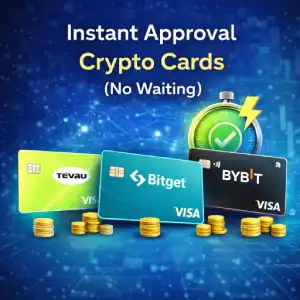
1. Tevau Card — Lowest Overall Fees
Tevau is designed to minimize costs for everyday users, making it one of the most cost-efficient USDT cards available.
Key advantages:
-
No monthly or annual fees
-
Free or low-cost top-ups
-
Very low ATM fees
-
No staking required
2. Bybit Card — Low Fees for Existing Users
Bybit’s card works best if you’re already using the platform, helping you avoid unnecessary transfer fees.
Key advantages:
-
Seamless account integration
-
Low internal transfer cost
-
Competitive FX rates
-
No staking requirement
3. Crypto.com Card — Low Fees (With Conditions)
Crypto.com can offer low fees, but only if you meet certain requirements like staking CRO.
Key advantages:
-
Free ATM withdrawals (within limits)
-
Cashback rewards
-
Wide global support
Limitations:
-
Requires staking for best benefits
-
Fees apply if limits are exceeded
4. RedotPay — Simple Fee Structure
RedotPay focuses on simplicity, offering a straightforward fee model for users in multiple regions.
Key advantages:
-
Easy onboarding
-
Clear fee structure
-
Suitable for beginners
⚖️ Real-World Comparison
If your goal is to minimize fees:
-
For lowest overall cost → Tevau
-
For exchange users → Bybit
-
For rewards + perks → Crypto.com
⚠️ Hidden Fees to Watch Out For
Even low-fee cards can include hidden costs:
-
High FX conversion rates
-
Network fees when sending USDT (ERC20 can be expensive)
-
ATM operator fees (outside card provider control)
-
Weekend or international transaction charges
Always read the fee structure carefully before committing.
KazePay is one of the few cards with zero spending fees — see our KazePay review for the full fee breakdown.
🧠 Final Verdict
The crypto card with the lowest fees depends on how you use it.
If you want simple, low-cost USDT spending, Tevau is one of the best options.
If you’re already using a trading platform, Bybit can help reduce internal costs.
Ultimately, the best card is the one that minimizes fees based on your spending habits, location, and preferred network.