

PokePay Revisar
Análisis de la tarjeta de criptomonedas
Usuarios de la región Asia-Pacífico, autónomos y personas que buscan una tarjeta de criptomonedas asequible para principiantes, con amplia compatibilidad con diversas plataformas y sin comisiones recurrentes.
Descripción general
PokePay es una tarjeta de débito virtual de criptomonedas de bajo costo emitida en Hong Kong, diseñada para el uso diario de criptomonedas. Funciona en la red Visa y se acepta en más de 100 países, lo que la convierte en una de las opciones más accesibles para los poseedores de criptomonedas fuera de EE. UU. que desean gastar USDT, USDC, BTC o ETH sin necesidad de convertirlos primero a moneda fiduciaria.
Esta tarjeta destaca por su rápido proceso de activación: se puede obtener una tarjeta virtual en minutos con una verificación de identidad mínima, y es compatible con Apple Pay y Google Pay desde el primer día. No tiene cuotas mensuales ni anuales, lo que la hace asequible para quienes realizan compras ocasionales y no necesitan un alto volumen de transacciones diarias.
La desventaja es una estructura de comisiones acumulativas: PokePay cobra 1% por las recargas y otros 1% por cada transacción de gasto, lo que genera un costo base efectivo de 2% por compra antes de aplicar cualquier conversión de divisas. Para los usuarios ocasionales, esto es manejable, pero quienes gastan con frecuencia notarán el aumento progresivo con el tiempo.
Ideal para: usuarios de criptomonedas fuera de EE. UU. que desean una tarjeta virtual rápida y sencilla para realizar pagos en línea y sin contacto, con una configuración mínima.

¿Por qué considerar esta tarjeta?
Lo mejor para
Usuarios de la región Asia-Pacífico, autónomos y personas que buscan una tarjeta de criptomonedas asequible para principiantes, con amplia compatibilidad con diversas plataformas y sin comisiones recurrentes.
Ventaja clave
Activación de tarjeta virtual desde tan solo $5 (con códigos promocionales)
Cosas que debes saber
Tarifa de activación de tarjeta virtual estándar de $20 (los códigos promocionales la reducen a ~$5–$7.20)
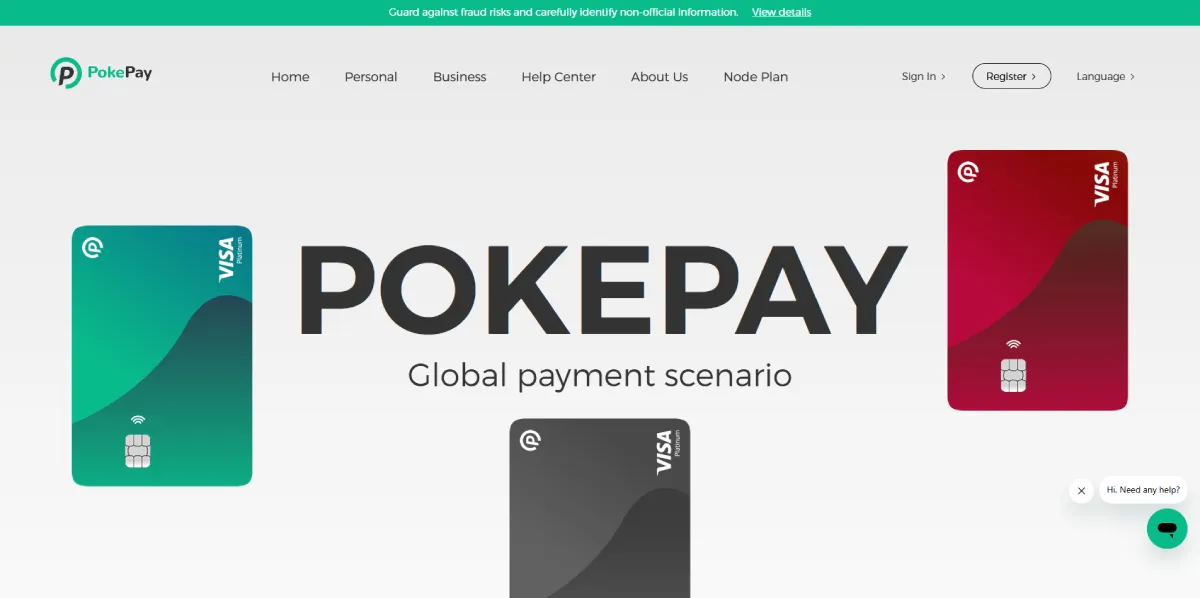
Entendiendo el costo real de usar PokePay
La estructura de comisiones de PokePay es sencilla en teoría, pero merece la pena analizarla en la práctica. La comisión de recarga de 1% y la comisión por gasto de 1% se cobran por separado, lo que significa que una sola transacción tiene un coste base de 2% antes de aplicar la conversión de moneda. Si a esto le sumamos la comisión por cambio de divisa de 1% para compras en monedas distintas a la base, el coste efectivo alcanza los 3% por transacción.
En términos concretos: si recargas $500 USDT y realizas una compra en moneda extranjera, pagarás $5 por el depósito, $5 por la transacción y $5 por la conversión de divisas, lo que suma un total de $15 USDT por un gasto de $500 USDT. Para compras ocasionales, esto es aceptable. Sin embargo, para uso semanal o diario, el costo anual se acumula considerablemente, algo que las alternativas más económicas evitan.
Si su prioridad es minimizar las comisiones, vale la pena comparar PokePay directamente con las tarjetas que no cobran comisión por gasto. Tevau Cobra aproximadamente 1% por recargas, pero cero por transacciones de gasto, y admite límites diarios mucho más altos: hasta $3.000.000 frente al límite de ~$12.500 de PokePay. KazePay Además, no cobra comisiones por gastos y es compatible con una gama más amplia de redes blockchain, lo que facilita la recarga desde múltiples cadenas sin preocuparse por la compatibilidad de la red.
Límites de gasto: Infórmese antes de recargar.
El límite de gasto diario de PokePay de 100 000 HKD (aproximadamente 12 500 USD) es suficiente para la mayoría de los consumidores, cubriendo gastos de viaje, suscripciones en línea, comercio electrónico y compras cotidianas en comercios. Sin embargo, es uno de los límites diarios más bajos en la categoría de tarjetas USDT.
Para los usuarios que necesitan transferir cantidades mayores, como autónomos que reciben pagos por proyectos, trabajadores remotos que cubren gastos comerciales o comerciantes que gestionan volúmenes mayores, el límite de PokePay creará fricción. En esos casos, RedotPay Merece la pena echarle un vistazo: admite hasta $1.000.000 al día con verificación KYC completa, lo que la convierte en la mejor opción para los grandes gastadores de criptomonedas.
PokePay no divulga públicamente su límite de gasto mensual, por lo que conviene aclararlo con su equipo de soporte antes de optar por la tarjeta como principal medio de pago.
¿Quiénes NO deberían usar PokePay?
PokePay es una buena tarjeta básica, pero no es la adecuada para todos los usuarios. Considera alternativas si te identificas con alguna de las siguientes situaciones:
Usted gasta con frecuencia o en grandes cantidades. La estructura de comisiones acumulables 1% + 1% supone un coste real para los usuarios frecuentes. Las tarjetas sin comisiones por gasto le permitirán ahorrar dinero a largo plazo.
Necesitas un límite diario superior a $12,500. El límite de PokePay interrumpirá las transacciones habituales de alto valor. Si habitualmente gastas más de esta cantidad a diario, la tarjeta se convertirá en un cuello de botella.
Quieres reembolsos o recompensas. PokePay no tiene un programa de reembolso dedicado. Si ganar dinero con tus gastos es importante para ti, Ether.fi Cash ofrece reembolsos de 2 a 3% en wETH y Bybit Ofrece hasta 10% para usuarios elegibles.
Necesitas una tarjeta física barata. Con un precio de $88, la tarjeta física de PokePay se encuentra entre las más caras de esta categoría. La tarjeta física de Bybit cuesta $5, y la de SafePal es gratuita; si necesitas una tarjeta física, estas opciones son mucho más económicas.
Dependes de redes blockchain específicas. PokePay no especifica claramente qué redes (TRC20, ERC20, BEP20, etc.) admite para recargas. Esta falta de transparencia ha provocado problemas de recarga para algunos usuarios que enviaron fondos a través de una red no compatible. Consulta con el servicio de asistencia antes de realizar la transferencia.
Usted reside en Estados Unidos, Rusia o Irak. PokePay no está disponible en estas regiones.
Comparación de PokePay con tarjetas similares
| PokePay | Tevau | KazePay | |
|---|---|---|---|
| Tarifa de recarga | 1% | 1% | 1.8%–2.2% |
| Tarifa de gasto | 1% | Gratis | Gratis |
| comisión por cambio de divisas | 1% | 1.2% | 1%–3% |
| Límite diario | ~$12,500 | $3,000,000 | $50.000–$250.000 |
| Costo de la tarjeta física | $88 | $100 | $100–$150 |
| Apple Pay | ✅ | ✅ | ✅ Solo virtual |
| Cashback | ❌ | Agujas | Reembolso 2% |
| KYC (virtual) | Mínimo | Mínimo | Mínimo |
La principal ventaja de PokePay sobre Tevau y KazePay es la incorporación más rápida y un menor costo de activación para la tarjeta virtual. Sus principales desventajas son la comisión por gasto y el menor límite diario. Para una clasificación completa de las tarjetas compatibles con USDT, consulte nuestra Las mejores tarjetas de débito USDT guía.
Cómo empezar a usar PokePay
Obtener una tarjeta virtual PokePay lleva menos de 10 minutos:
- Descarga la aplicación PokePay en iOS o Android.
- Regístrate con tu dirección de correo electrónico.
- Completar el proceso KYC mínimo: normalmente una selfie e información básica de identidad.
- Pague la tarifa única de activación de la tarjeta virtual $5.
- Recarga con USDT, USDC, BTC o ETH (confirma primero la red correcta con el soporte técnico).
- Añade a Apple Pay o Google Pay y empieza a gastar inmediatamente.
Para la tarjeta física, se requiere una verificación de identidad completa adicional y la entrega tarda entre 7 y 21 días hábiles, dependiendo de su ubicación.
Precios y tarifas
| Costo de la tarjeta virtual | $5 |
|---|---|
| Costo de la tarjeta física | $88 |
| Cuota anual | Gratis |
| Tarifa de recarga | Gratis |
| Recarga mínima | $0 |
| Comisión por cambio de divisas | 1% |
| Comisión por retiro en cajero automático | 2% |
| Comisión por conversión de criptomonedas | 1% |
| Tarifa de reemplazo de tarjeta | $50 |
| Tarifa por inactividad | $0 |
| Comisión por transacción | 1% |
| Tarifa de reembolso | Gratis |
Límites
| Límite por transacción | 100.000 HKD |
|---|---|
| Límite de gasto diario | 100.000 HKD |
| Límite de gasto mensual | desconocido |
| Límite diario del cajero automático | Máximo 5.000 HKD. 5 retiros. |
| Límite mensual del cajero automático | desconocido |
| Límite mínimo de recarga | 0,1 HKD |
| Límite máximo de recarga | Ilimitado |
Características de la tarjeta
| Tarjeta virtual | Sí |
|---|---|
| Tarjeta física | Sí |
| Apple Pay | Sí |
| Google Pay | Sí |
| Retiro en cajero automático | Sí |
| Programa de recompensas | Sin programa de reembolso específico; programa de referidos/nodos con comisión de hasta 50%. |
| Token de reembolso | No |
| Beneficio especial | Integración con Alipay y WeChat Pay de Hong Kong; compatibilidad con PayPal, Wise, Netflix, Spotify y ChatGPT Plus; comisión transfronteriza 0% para tarjetas emitidas en Hong Kong. |
| Descuentos por suscripción | No |
| Ganador | No |
| Controles de la aplicación móvil | Sí (bloqueo de tarjeta con un solo clic, activación/desactivación de 3DS, configuración de pago combinada) |
| controles de seguridad | 3D Secure (3DS), bloqueo de tarjeta con un solo clic, cifrado de datos, protección CVV. |
Atención al cliente
| Canales de soporte | Chat integrado en la aplicación, correo electrónico, teléfono, Telegram, portal de preguntas frecuentes |
|---|---|
| Tiempo de respuesta | En 24 horas (correo electrónico); velocidad de respuesta variable: soporte rápido |
| Idiomas compatibles | Chino (principal), inglés (chino tradicional como apoyo) |
| Base de conocimientos | Sí, aquí encontrará preguntas frecuentes y guías en pokepay.cc. |
| Gestión de reembolsos | Reembolso estándar de Visa: 3-7 días hábiles (comercio) + 2-4 días de procesamiento de la red Visa. |
| Reseñas de usuarios | Trustpilot 3,7/5; Google Play 3,5/5 (185 reseñas, más de 10.000 descargas); historial limitado de reseñas independientes. |
| Puntuación de confianza | 3,7/5 (Trustpilot); regulado por FINTRAC Canadá y VASP Polonia. |
¡Ordene ahora!
| Tipo de tarjeta | Virtual o físico |
|---|---|
| Recarga mínima | Recarga mínima de 0,1 HKD; activación de tarjeta virtual desde $5. |
| Tiempo de aprobación | 10 minutos después de KYC |
| Oferta de bonificación | No |
| Tiempo de entrega de la tarjeta | Virtual: Inmediato; Físico: 10-30 días hábiles (envío desde el Área de la Bahía). |
| Advertencia regional | Visa emitida por Hong Kong; se aplican restricciones de jurisdicción (EE. UU., Rusia, Irak y otros); Steam no es compatible; la aplicación para iOS tiene limitaciones regionales. |
Ventajas y desventajas
Ventajas
- Activación de tarjeta virtual desde tan solo $5 (con códigos promocionales)
- Cero comisiones mensuales, cero comisiones anuales, cero comisiones por microtransacciones
- Acepta USDT, USDC, BTC y ETH para recargas.
- Compatible con Apple Pay y Google Pay.
- Funciona con Alipay, WeChat, PayPal, Wise, Netflix, Spotify, ChatGPT Plus.
- La tarjeta física permite realizar retiros en cajeros automáticos y pagos en puntos de venta en todo el mundo.
- 0% tarifas transfronterizas en tarjetas emitidas en Hong Kong
- Sustitución gratuita de la tarjeta tras su vencimiento estándar.
Desventajas
- Tarifa de activación de tarjeta virtual estándar de $20 (los códigos promocionales la reducen a ~$5–$7.20)
- La tarjeta física cuesta entre $88 y $99 (precios promocionales disponibles).
- Tarifa de recarga de 1% en todas las recargas de criptomonedas.
- Comisión por cambio de divisas de 1% para transacciones que no sean en HKD.
- Se han reportado quejas sobre la capacidad de respuesta del servicio al cliente (Trustpilot 3.7/5).
- Algunas plataformas importantes no son compatibles (por ejemplo, Steam).
- Aplicación para iOS disponible principalmente en EE. UU. y Hong Kong; disponibilidad limitada en otros países.
- Las jurisdicciones restringidas incluyen Estados Unidos, Rusia, Irak y otros países enumerados.
Veredicto final
PokePay es una tarjeta de débito de criptomonedas accesible y sencilla que cumple lo que promete: emisión rápida de tarjetas virtuales, compatibilidad con Apple Pay y aceptación global de Visa sin comisiones mensuales. Para quienes usan una tarjeta de criptomonedas por primera vez o buscan una configuración rápida y sin complicaciones, ofrece una experiencia realmente fluida.
Sin embargo, las limitaciones son reales. La acumulación de 1% por recarga y 1% por gasto genera un costo efectivo por transacción de 2 a 3%, que se acumula rápidamente para los usuarios habituales. El límite diario de aproximadamente $12,500 frustrará a cualquiera que mueva volúmenes significativos. Además, la ausencia de un programa de reembolso significa que se pagan comisiones sin obtener nada a cambio.
PokePay se consolida como una tarjeta ideal para principiantes, especialmente para usuarios que priorizan la rapidez y la sencillez sobre la optimización de comisiones. Sin embargo, conviene reconsiderar la elección de tarjeta una vez que aumente el volumen de gastos o la sensibilidad a las comisiones.
Si reducir los costos de transacción es su prioridad, Tevau No cobra ninguna comisión por gasto y admite límites diarios significativamente más altos. Si necesita un límite más alto con un soporte de criptomonedas más amplio, RedotPay es la mejor opción para usuarios de alto volumen. Y si ganar reembolsos por tus gastos en criptomonedas te importa, Ether.fi Cash Ofrece entre 2 y 3% en wETH con una experiencia de incorporación comparable.
Solicita a través de UCardCrypto y obtén tu recompensa.
Comienza tu PokePay Solicita a través de UCardCrypto y desbloquea una recompensa garantizada de UCard al completar los pasos que cumplan los requisitos.
Comparar con otra tarjeta
Reseñas de usuarios
Aún no hay reseñas de usuarios. ¿Has usado esta tarjeta? Tu reseña ayuda a otros lectores.
Escribe una reseña
Preguntas frecuentes
¿Cuánto cuesta la tarjeta virtual PokePay?
La tarjeta virtual PokePay cuesta aproximadamente 20 USDT para abrirla, precio que se reduce a unos 7,2 USDT con un cupón promocional. No tiene cuotas mensuales ni anuales.
¿PokePay es compatible con Apple Pay y WeChat Pay?
Sí. PokePay es compatible con Apple Pay y WeChat Pay, además de permitir recargas a través de Alipay, Taobao y Meituan, lo que la convierte en una de las pocas tarjetas de criptomonedas que conecta simultáneamente los ecosistemas de pago asiáticos e internacionales.
¿Qué criptomonedas acepta PokePay para recargar saldo?
PokePay acepta USDT, USDC, BTC y ETH para recargar tarjetas.
¿PokePay requiere verificación KYC?
PokePay ofrece un proceso KYC (Conozca a su cliente) por niveles. Las funciones básicas de la tarjeta virtual están disponibles con una verificación mínima, y los límites de gasto más altos se desbloquean una vez completado el proceso KYC completo.
¿Cuál es el límite de gasto diario en PokePay?
El límite de gasto diario es de 100.000 HKD (aproximadamente 12.500 USD), lo que cubre cómodamente la mayoría de los casos de uso cotidiano.